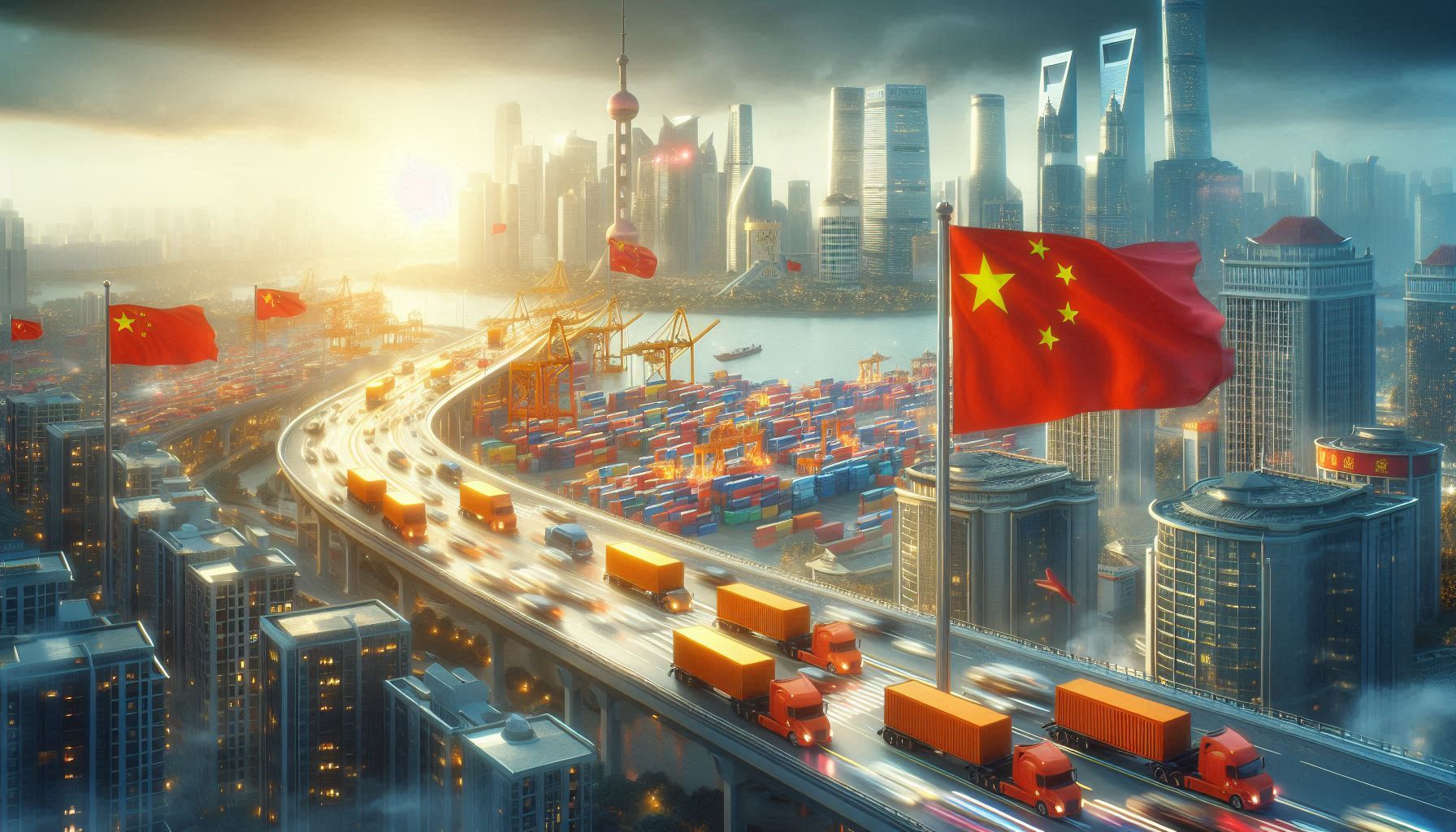
Historically, China has played a significant role in financing and trading with emerging markets in Africa, Latin America, and Southeast Asia through initiatives like the Belt and Road Initiative (BRI). However, with slower growth, China’s capacity to invest abroad might diminish, forcing it to recalibrate its priorities.
China’s demand for commodities from the Global South may also decline as industrial production slows, impacting countries that depend on exports of raw materials to China. For example, African nations that have benefitted from Chinese infrastructure investments might see a decrease in new projects, while countries like Brazil or Chile could face lower demand for their agricultural and mineral exports.
At the same time, China may pivot toward prioritizing more strategic partnerships based on technological and geopolitical interests rather than purely economic considerations. This could mean a shift in the nature of China’s involvement in the Global South, focusing more on areas like digital infrastructure and renewable energy, which align with both global trends and China’s long-term goals of innovation and decarbonization.
Furthermore, the Global South might diversify its trade partnerships, seeking alternatives in other regions like the U.S., Europe, or intra-regional trade agreements to mitigate the risks posed by China’s slowing economic momentum. This redefinition of trade dynamics could signal a more multipolar world economy.