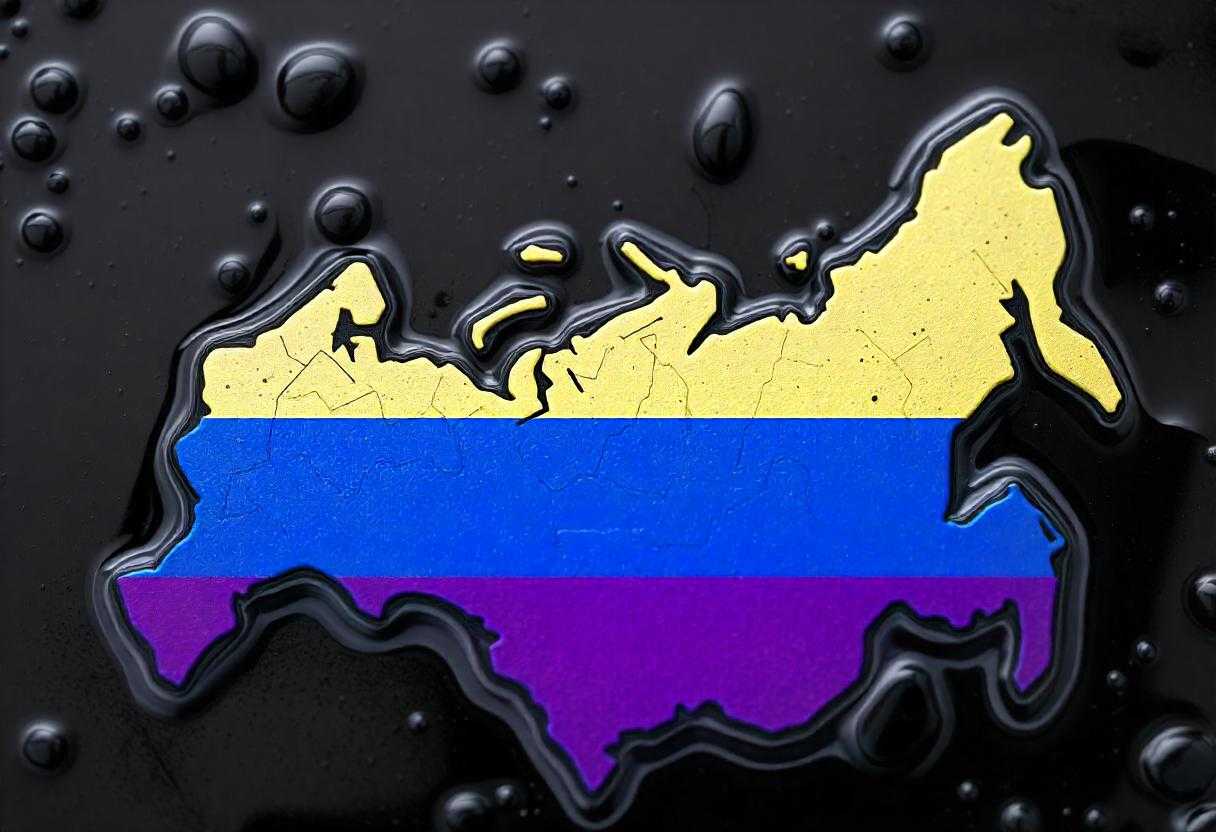
Russian crude oil exports have dipped to the lowest level in a month, according to Bloomberg data. This decrease is attributed to a combination of factors, including weak global demand, Western sanctions, and production disruptions.
Russia, one of the world’s largest oil producers, has seen a decline in its crude oil exports due to sanctions imposed by the United States and the European Union in response to the Ukraine invasion. The sanctions have limited Russia’s access to technology and services needed to maintain and develop its oil production.
Additionally, weak global oil demand, partly due to the Ukraine war and the global economic slowdown, has reduced the demand for Russian oil. Oil-importing countries are seeking to diversify their supply sources and reduce their reliance on Russia.
Production disruptions have also contributed to the decline in Russian crude oil exports. Sanctions and logistical challenges have hampered Russia’s ability to extract and transport oil, leading to reduced production and exports.
This decrease in Russian crude oil exports has significant implications for the global energy market. Oil-importing countries are seeking alternative sources, which could lead to higher oil prices and shifts in global supply flows.
Meanwhile, Russia is looking to diversify its export markets, turning to countries like China and India, which have not joined the Western sanctions. This strategic shift may have a significant impact on the global energy market and the relationships between Russia and its trading partners.

Based on the news that Russian crude oil exports have dipped to the lowest level in a month, here are some ETFs that could potentially benefit from this situation:
- Energy Sector ETFs:
- SPDR S&P Oil & Gas Exploration & Production ETF (XOP): This ETF invests in oil and gas exploration and production companies, which may benefit from increased oil demand and potential price hikes.
- Invesco Dynamic Energy Exploration & Production ETF (PXE): This ETF focuses on oil and gas exploration and production companies, with an emphasis on firms showing growth potential and innovation.
- International Oil Company ETFs:
- iShares Global Energy ETF (IXC): This ETF provides diversified exposure to global oil companies, which may benefit from rising global oil demand.
- Invesco Energy ETF (PBD): This ETF invests in a range of global energy companies, which could be influenced by changes in oil demand and global market dynamics.
- Commodity ETFs:
- Invesco DB Oil ETF (DBO): This ETF tracks a commodity index, including oil, and may benefit from rising oil prices.
- United States Brent Oil Fund (BNO): This ETF tracks the price of Brent crude oil, a global benchmark, and could be influenced by changes in oil demand and supply.
- Transportation and Logistics ETFs:
- iShares U.S. Transportation ETF (IYT): This ETF invests in transportation and logistics companies, which may benefit from changes in global oil supply flows.
- SPDR S&P Transportation ETF (XTN): This ETF focuses on U.S. transportation companies, which could be impacted by changes in oil demand and global transportation routes.
Always remember to conduct your own research and carefully consider your investment objectives and risk tolerance before making any investment decisions. Changes in Russian crude oil production and demand can have far-reaching implications for the global energy market, so be sure to understand the risks associated with this type of investment.